

Why Truth Matters in a World of AI
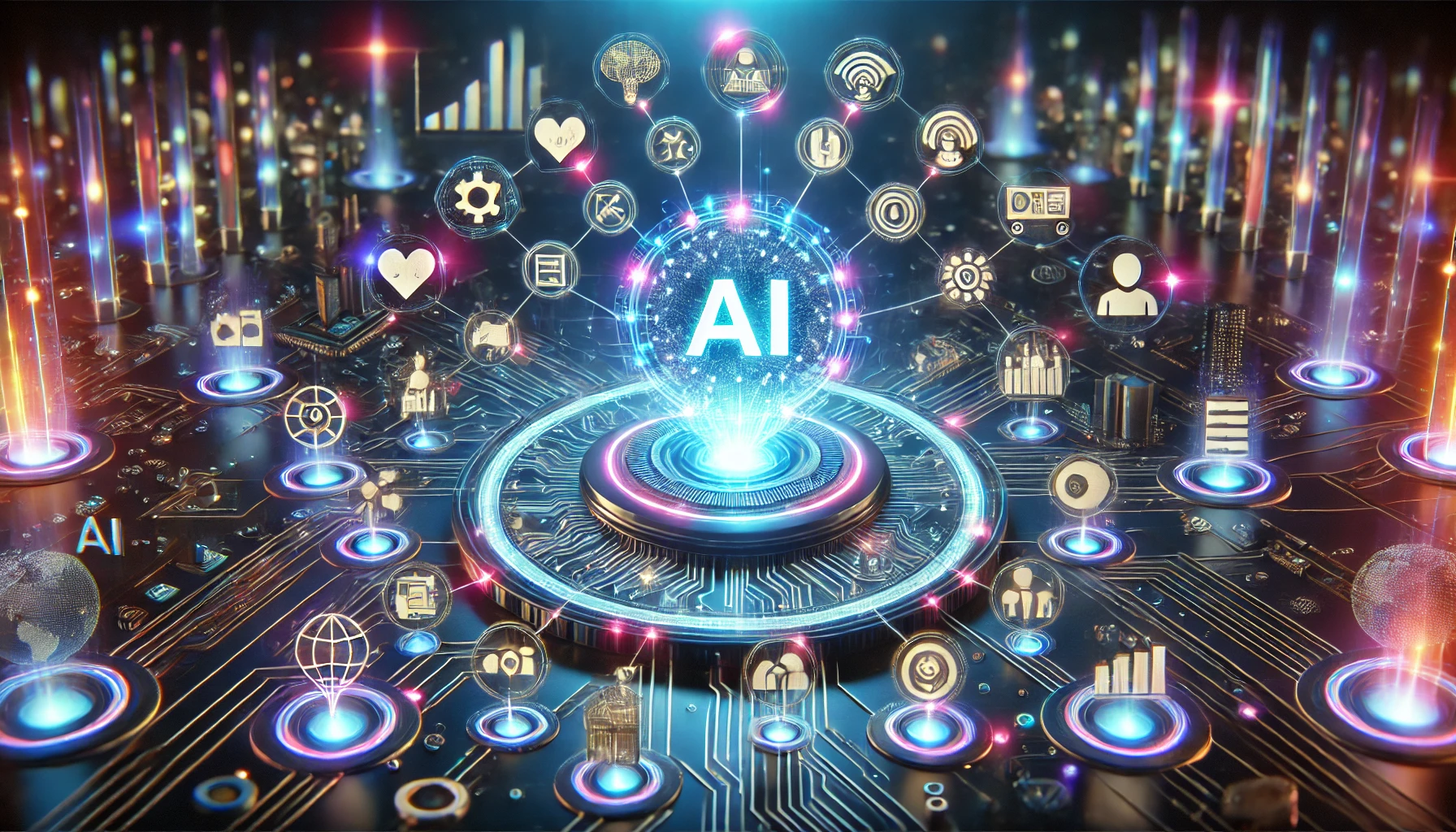
Imagine a world where machines can create art, write poetry, and even mimic human conversations. This is not science fiction—it’s the reality we’re living today. As artificial intelligence (AI) becomes increasingly integrated into daily life, questions about truth, authenticity, and human responsibility are more relevant than ever. Enter the Vatican’s history commission, a group tasked with preserving the truth in an era where technology can blur the lines between fact and fiction. This mission isn’t just about safeguarding religious history; it’s about ensuring that the tools shaping our future don’t erode the foundations of trust and ethical behavior.
The Vatican’s History Commission: A Guardian of Truth
What is the Vatican History Commission?
The Vatican History Commission, formally known as the Pontifical Commission for the Promotion of the Third Millennium, has long been a key player in documenting the Church’s past. Its role has traditionally been to compile and protect historical records, from papal encyclicals to the lives of saints. But in recent years, its mission has evolved to address modern challenges. With the rise of AI, the commission now faces a critical question: How can we ensure that the truth remains intact in an age where information can be manipulated, fabricated, or misinterpreted?
Enter the New US Member
In a surprising yet significant move, the commission recently welcomed its first U.S. member. This individual, whose identity is not disclosed, brings a unique perspective to the group. Their expertise in digital ethics and AI governance has sparked discussions about how to balance technological progress with moral responsibility. The addition of this member signals a shift in the commission’s approach—no longer confined to historical archives, it now actively engages with contemporary issues that shape the future of humanity.
Why AI Poses a Threat to Truth
The Rise of Deepfakes and Misinformation
AI’s ability to generate realistic images, videos, and text has made it a double-edged sword. While it can revolutionize industries like healthcare, education, and entertainment, it also enables the creation of deepfakes—false media that can deceive even the most discerning observers. Consider the case of a video that appears to show a political leader making a statement they never actually made. Such content can spread rapidly, influence public opinion, and damage reputations. The Vatican’s commission is now exploring how to combat these threats while respecting freedom of expression.
The Ethics of Algorithmic Decision-Making
<
{"title":"The Vatican's Quest to Safeguard Truth in the Age of AI","content":"
Why Truth Matters in a World of AI
Imagine a world where machines can create art, write poetry, and even mimic human conversations. This is not science fiction—it’s the reality we’re living today. As artificial intelligence (AI) becomes increasingly integrated into daily life, questions about truth, authenticity, and human responsibility are more relevant than ever. Enter the Vatican’s history commission, a group tasked with preserving the truth in an era where technology can blur the lines between fact and fiction. This mission isn’t just about safeguarding religious history; it’s about ensuring that the tools shaping our future don’t erode the foundations of trust and ethical behavior.
The Vatican’s History Commission: A Guardian of Truth
What is the Vatican History Commission?
The Vatican History Commission, formally known as the Pontifical Commission for the Promotion of the Third Millennium, has long been a key player in documenting the Church’s past. Its role has traditionally been to compile and protect historical records, from papal encyclicals to the lives of saints. But in recent years, its mission has evolved to address modern challenges. With the rise of AI, the commission now faces a critical question: How can we ensure that the truth remains intact in an age where information can be manipulated, fabricated, or misinterpreted?
Enter the New US Member
In a surprising yet significant move, the commission recently welcomed its first U.S. member. This individual, whose identity is not disclosed, brings a unique perspective to the group. Their expertise in digital ethics and AI governance has sparked discussions about how to balance technological progress with moral responsibility. The addition of this member signals a shift in the commission’s approach—no longer confined to historical archives, it now actively engages with contemporary issues that shape the future of humanity.
Why AI Poses a Threat to Truth
The Rise of Deepfakes and Misinformation
AI’s ability to generate realistic images, videos, and text has made it a double-edged sword. While it can revolutionize industries like healthcare, education, and entertainment, it also enables the creation of deepfakes—false media that can deceive even the most discerning observers. Consider the case of a video that appears to show a political leader making a statement they never actually made. Such content can spread rapidly, influence public opinion, and damage reputations. The Vatican’s commission is now exploring how to combat these threats while respecting freedom of expression.
The Ethics of Algorithmic Decision-Making
AI systems often operate without transparency, making it difficult to trace their decisions or correct errors. For example, an algorithm used in hiring might unfairly disadvantage certain groups if its training data is biased. The commission is examining how to ensure that these systems are designed with fairness and accountability in mind. This includes advocating for greater oversight, public education about AI’s limitations, and the development of ethical frameworks that prioritize human dignity.
The Role of the Church in a Digital Age
Preserving Moral and Spiritual Values
As technology advances, the Church faces the challenge of maintaining its relevance in a world dominated by digital platforms. The Vatican’s commission is working to integrate faith-based principles into discussions about AI’s impact on society. This includes promoting the idea that technology should serve humanity, not replace it. For instance, the commission has emphasized the importance of protecting vulnerable groups, such as children and the elderly, from the risks of online exploitation or misinformation.
Collaboration with Scientists and Philosophers
The commission is also fostering dialogue with experts in science, philosophy, and ethics. This collaboration is crucial for addressing complex questions, such as whether AI can ever truly replicate human consciousness or whether it should be granted rights. By engaging with these disciplines, the Church aims to contribute to global conversations about the ethical boundaries of technology while staying rooted in its spiritual mission.
What This Means for the Future
The Vatican’s efforts to preserve truth in the AI age are a reminder that technology, while powerful, is ultimately a tool shaped by human values. As we move forward, the challenge will be to harness innovation without compromising our shared moral compass. The commission’s work is a call to action for individuals, institutions, and governments to prioritize transparency, accountability, and the protection of human dignity in the digital age. In a world where the line between reality and illusion is increasingly blurred, the quest for truth remains as vital as ever.





Dodaj komentarz