
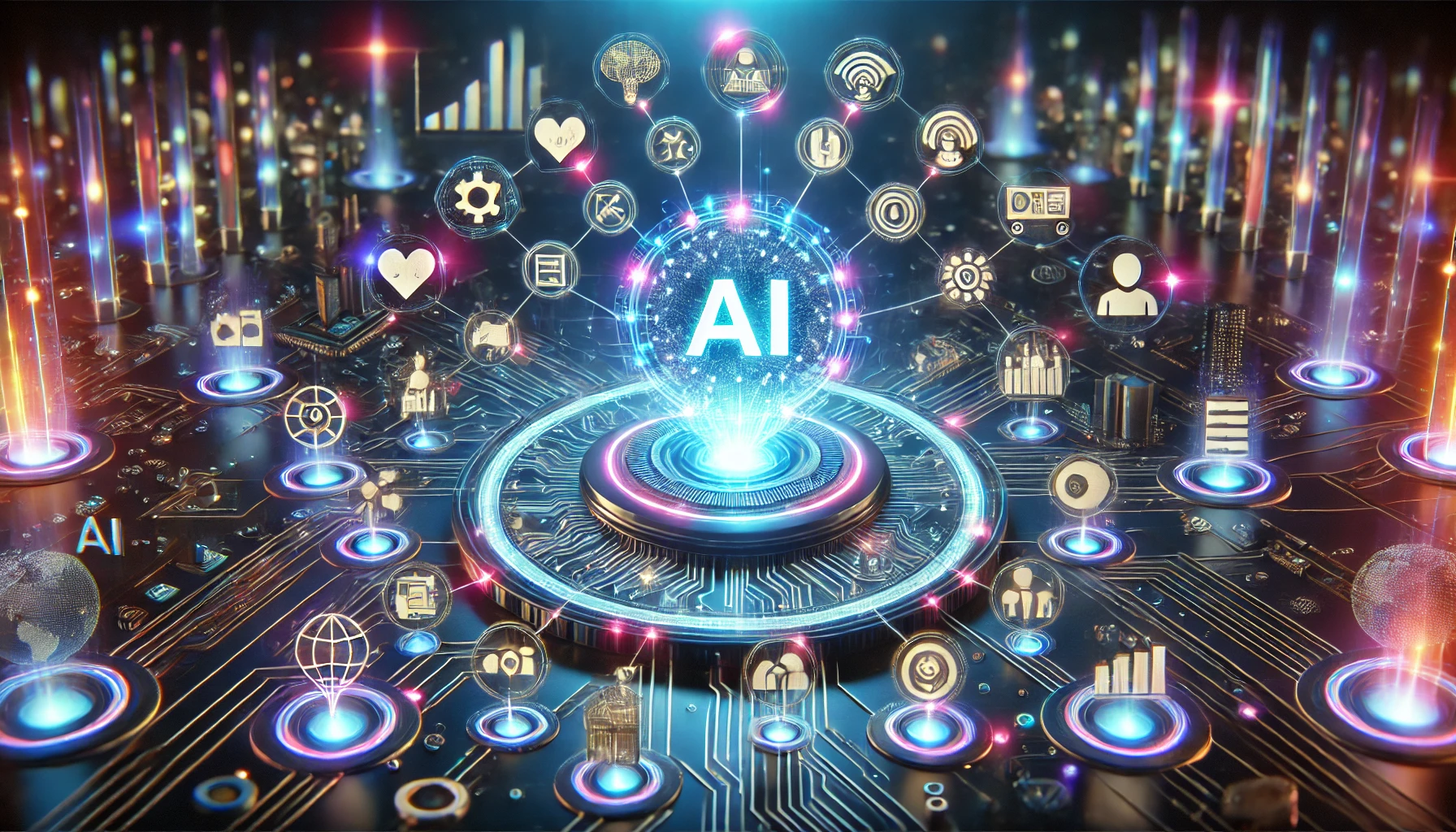
The New Frontier of Digital Identity: Why AI Agents Need Their Own Passports
Imagine a world where artificial intelligence doesn’t just chat with you but acts on your behalf. It books your flights, negotiates your insurance rates, and manages your digital assets. This is the promise of autonomous AI agents, but it comes with a critical question: How do we verify who—or rather, what—is acting in the digital realm? As these intelligent systems become more prevalent, the need for robust identity verification is no longer a luxury; it is a necessity. This is where a recent development in the blockchain and distributed ledger space makes a significant impact.
A Major Milestone in Enterprise Adoption
Recently, a prominent technology company specializing in distributed ledger technology and AI infrastructure secured a listing on a major enterprise software marketplace operated by one of the world’s largest technology corporations. This is not just a minor update to a product page. It represents a strategic bridge between cutting-edge cryptographic identity solutions and the massive, established enterprise ecosystem. By being listed on such a high-profile platform, the solution gains immediate visibility and credibility among large-scale organizations that are already invested in enterprise-grade software and infrastructure.
For many businesses, the barrier to entry for new technologies is often trust and integration complexity. Being featured on a marketplace associated with a giant in the industry signals that the technology has passed rigorous vetting processes. It suggests that the solution is not merely a speculative experiment but a viable, production-ready tool that can be integrated into existing business workflows. This listing serves as a stamp of approval, reducing the perceived risk for other companies looking to adopt similar technologies for their own operations.
The Challenge of AI Agent Identity
Why is identity so crucial for AI agents? In traditional computing, we have user IDs and passwords. In the age of AI, the „user” is often a non-human entity. An AI agent might need to access a bank account, sign a contract, or transfer value. Without a verifiable identity, these actions are fraught with risk. How can a bank know that the request to transfer funds is coming from an authorized AI agent and not a malicious script? How can a smart contract distinguish between a legitimate service bot and a fraudulent one?
This is where decentralized identity solutions come into play. They provide a way to create digital identities that are portable, verifiable, and controlled by the entity itself. Unlike centralized databases where a single point of failure can compromise millions of records, decentralized systems distribute the verification process. This makes it much harder for attackers to tamper with identity data. For AI agents, this means they can carry their identity across different platforms and services, proving their legitimacy without relying on a single, potentially vulnerable, central authority.
Why This Matters for Your Business
You might be wondering how this affects your organization. If you are looking to deploy AI agents for automation, customer service, or financial transactions, identity is the backbone of security. Without it, you are essentially operating in a blind spot. You cannot audit actions effectively if you cannot trace them back to a specific, verified entity. This new marketplace listing makes it easier for you to explore these solutions. You no longer have to navigate the complex landscape of emerging tech vendors alone. You can find, evaluate, and potentially deploy these identity tools through a familiar and trusted channel.
Furthermore, this development highlights a broader trend: the convergence of AI and blockchain. These two technologies, often seen as separate fields, are finding common ground in the area of trust and verification. AI provides the intelligence to perform tasks, while blockchain provides the infrastructure to prove that those tasks were performed legitimately. Together, they create a more secure and transparent digital environment. This is not just about technology for technology’s sake; it is about enabling new business models that were previously impossible due to trust deficits.
The Path Forward
As you consider integrating AI into your operations, keep an eye on the identity layer. It is the unsung hero of the AI revolution. The recent marketplace listing is a clear signal that the industry is maturing. Solutions that were once niche and experimental are now becoming standard enterprise offerings. This means that the tools you need to secure your AI agents are becoming more accessible and easier to implement.
What does this mean for the future? It means a future where digital trust is automated and verifiable. It means that AI agents can operate with the same level of trust as human employees, but with greater speed and consistency. For you, this translates into reduced risk, improved efficiency, and the ability to innovate with confidence. The era of the verified AI agent is here, and the infrastructure to support it is rapidly expanding.
In conclusion, the listing of this AI-agent identity tool on a major enterprise marketplace is a significant step forward. It bridges the gap between innovative technology and practical business application. As you navigate the digital transformation of your organization, remember that identity is key. By leveraging these new tools, you can ensure that your AI investments are secure, scalable, and ready for the future.










Dodaj komentarz