
The Diplomatic Stage Meets Artificial Intelligence
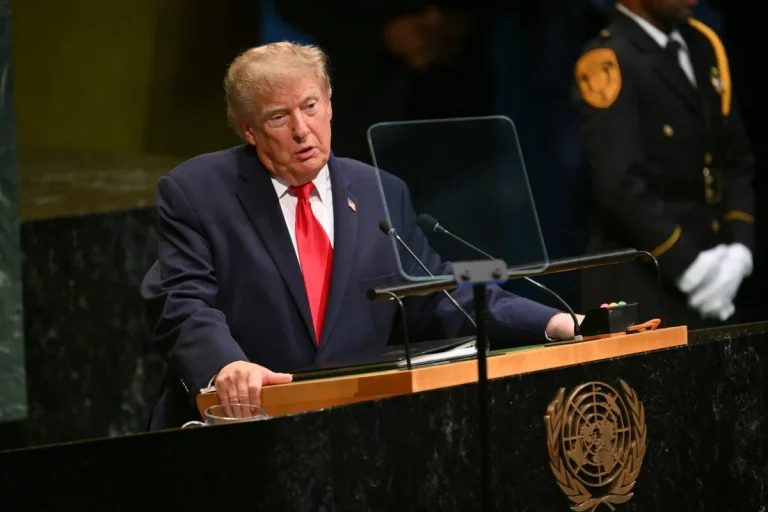
Imagine standing on the grand stage of the United Nations General Assembly. The room is filled with heads of state, diplomats, and journalists from around the globe. It is a place where history is made, where treaties are signed, and where the future of international relations is debated. Recently, this prestigious forum became the backdrop for a moment that captured the attention of the tech world and political analysts alike. During a significant address, Donald Trump did not just discuss policy; he introduced a specific, concise branding for the rapidly evolving field of artificial intelligence. He unveiled a two-word name for AI, a move that signals a shift in how this technology is being framed on the global stage.
Why Branding Matters in Technology
You might wonder why a specific name matters when we already have established terms like „machine learning” or „neural networks.” The answer lies in perception. In the world of technology, naming is power. It shapes how the public, investors, and policymakers understand the technology. By choosing a specific two-word phrase, Trump aimed to simplify a complex concept. This approach strips away the jargon that often alienates non-technical audiences. Instead of discussing algorithms and data sets, the focus shifts to a more relatable and potentially strategic concept. This simplification is crucial for gaining public support and ensuring that AI is viewed not as a distant, abstract science, but as a tangible tool for national and global progress.
The Power of Simplicity
Consider how previous technological revolutions were named. The „Internet” is a simple, easy-to-understand term that encapsulates a vast network of networks. Similarly, the „Cloud” refers to remote data storage. These terms are intuitive. Trump’s choice of a two-word name for AI follows this tradition of accessibility. It suggests that AI is not just for engineers and scientists but for everyone. This democratization of language can help bridge the gap between technical experts and the general public, fostering a more informed society that is better prepared to engage with the opportunities and challenges of the digital age.
Strategic Implications for Global Policy
Introducing a new term for AI at the UN is not just a linguistic exercise; it is a strategic move. The United Nations is the primary forum for international cooperation. By defining AI in a specific way, Trump sets the tone for how the international community should approach this technology. It implies a certain framework for regulation, development, and deployment. This could influence how other nations draft their own AI policies. If the U.S. leads with a specific narrative, other countries may align their strategies to maintain diplomatic and economic ties. This creates a ripple effect that can shape the global AI landscape for years to come.
Economic and Competitive Advantages
Artificial intelligence is a key driver of economic growth. Countries that lead in AI development gain significant competitive advantages. By branding AI in a way that emphasizes innovation and progress, the U.S. positions itself as a leader in this field. This can attract investment, talent, and research partnerships. Furthermore, a clear and positive narrative helps in overcoming public skepticism. Many people are wary of AI due to concerns about job displacement and privacy. By framing AI in a more accessible and beneficial light, policymakers can build trust and support for AI initiatives. This is essential for ensuring that the technology is developed responsibly and ethically.
Public Reaction and Media Coverage
The announcement was met with a mix of reactions. Some praised the simplicity and clarity of the new term, while others questioned its technical accuracy. Media outlets around the world covered the event extensively, highlighting the significance of the moment. Social media platforms buzzed with discussions, memes, and debates. This level of engagement is a testament to the cultural impact of AI. It is no longer a niche topic but a mainstream conversation. The fact that a political leader can spark such a dialogue shows the interconnectedness of politics, technology, and society.
The Role of Media in Shaping Perception
Media plays a crucial role in shaping public perception of AI. By focusing on the new name, media outlets help to normalize the concept. They provide context, explain the implications, and highlight the potential benefits and risks. This educational role is vital for ensuring that the public is informed and engaged. However, it is important for media to remain balanced and objective, avoiding sensationalism or bias. The goal should be to foster a nuanced understanding of AI, recognizing both its potential and its challenges.
Looking Ahead: The Future of AI Naming
As AI continues to evolve, so will the language used to describe it. New subfields and applications will emerge, requiring new terminology. The two-word name introduced by Trump is just the beginning. It sets a precedent for how AI will be discussed in political and diplomatic contexts. In the future, we may see more specific terms for different types of AI, such as „generative AI” or „predictive AI.” These terms will help to clarify the capabilities and limitations of different AI systems. This specificity is important for ensuring that AI is used appropriately and effectively.
Challenges and Opportunities
The path forward for AI is filled with both challenges and opportunities. On one hand, there are concerns about ethical use, bias, and security. On the other hand, AI has the potential to revolutionize healthcare, education, transportation, and many other sectors. By establishing a clear and positive narrative, leaders can help to navigate these challenges and maximize the opportunities. The key is to balance innovation with responsibility, ensuring that AI serves the common good.
Conclusion
In conclusion, Donald Trump’s unveiling of a two-word name for AI during his UN speech was a significant moment. It highlighted the importance of branding in technology and the strategic implications of setting the global narrative. By simplifying the concept of AI, he made it more accessible to the public and positioned the U.S. as a leader in this field. As we move forward, it is essential to continue fostering a dialogue that is informed, balanced, and focused on the responsible development of AI. The future of AI is not just about technology; it is about how we choose to use it to improve our lives.












Dodaj komentarz