
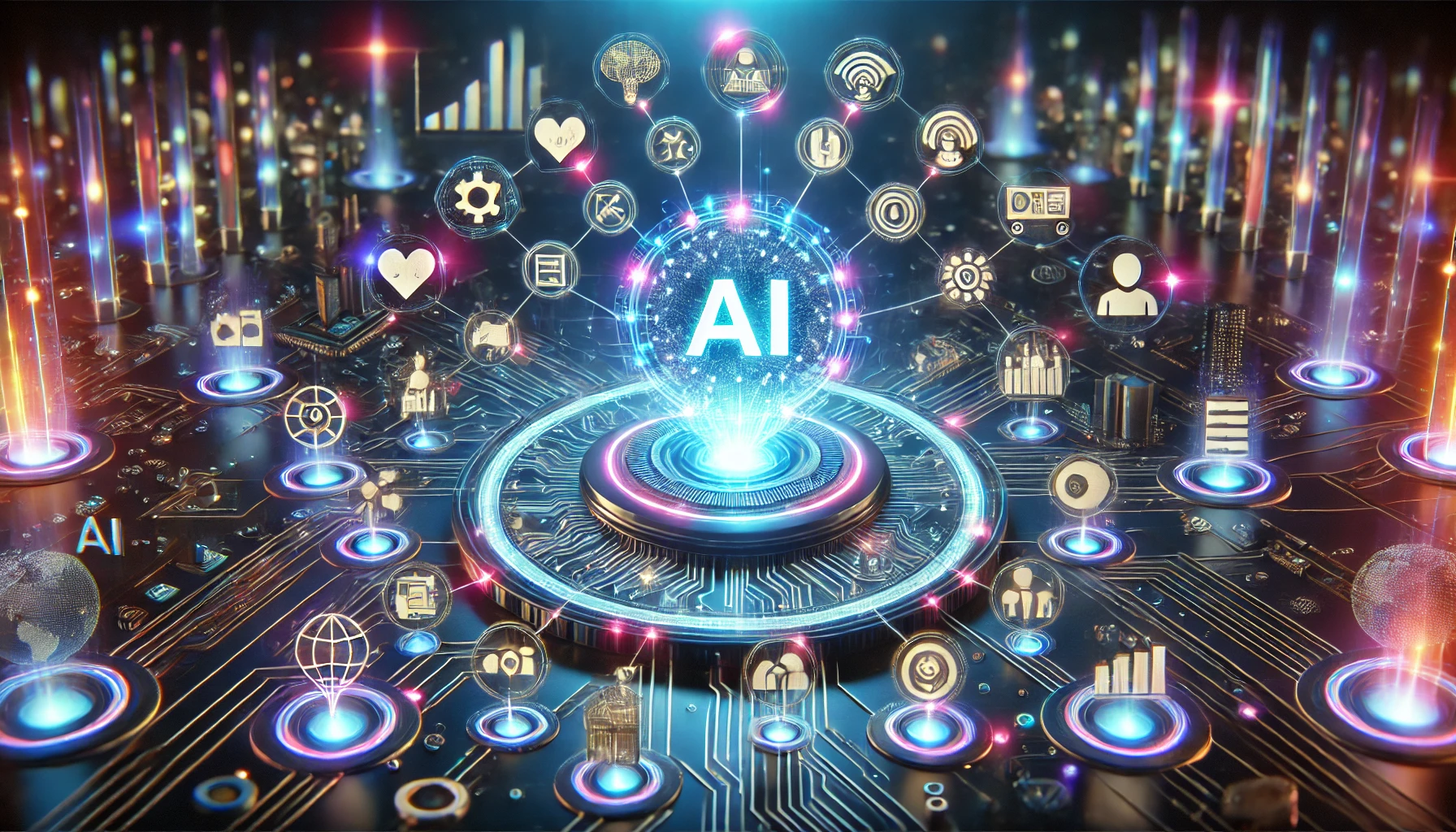
The Emerging Global Debate on Artificial Intelligence
As we stand on the precipice of a technological revolution, the conversation around artificial intelligence has shifted from theoretical curiosity to urgent geopolitical necessity. You might have noticed that the discourse is no longer just about efficiency or entertainment; it is now a high-stakes battlefield where world leaders are clashing over the very definition of safety, autonomy, and control. The central question keeping policymakers awake at night is no longer simply whether machines can think, but how far we are willing to let them act on our behalf without human intervention.
The Diverging Visions of Power
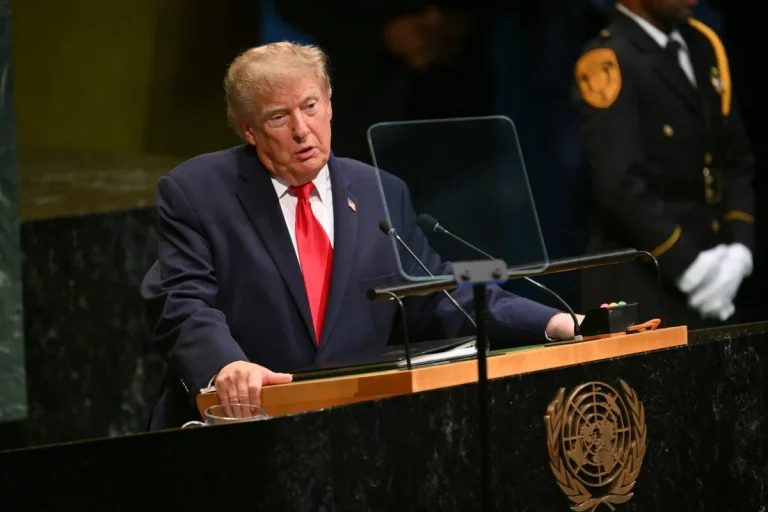
On one side of the debate, particularly prominent in the United States under the current administration, there is a strong push for deregulation and rapid deployment. The argument here is straightforward: if we slow down, our competitors will take the lead. This perspective views AI as a superpower tool, a means to maintain economic dominance and military superiority. Proponents often argue that strict regulations stifle innovation and that the best way to ensure safety is through superior development speed and capability. In this view, the race is on, and stopping to check the mirrors is a luxury we cannot afford.
On the other side, many European and other international leaders are advocating for a precautionary approach. They are less concerned with who builds the first super-intelligent algorithm and more focused on the existential risks posed by autonomous systems. For these leaders, the concept of a „killer robot”—a weapon system that can select and engage targets without human judgment—is a red line that must not be crossed. They argue that without robust international treaties and strict ethical frameworks, we are courting disaster. The fear is not just of a malfunctioning machine, but of a system that is intentionally designed to operate beyond human comprehension or control.
Why the Disagreement Matters to You
You might wonder why this diplomatic friction should concern you as an individual. The reality is that the decisions made in these closed-door negotiations will shape the technology you use every day. If the world leans toward a deregulated, hyper-competitive model, we may see faster advancements in personal AI assistants, medical diagnostics, and creative tools. However, this path comes with higher risks of data privacy breaches, algorithmic bias, and the potential for misuse in surveillance or warfare.
Conversely, if the precautionary model prevails, you might experience slower rollouts of new features, but with stronger guarantees of safety and transparency. This is a trade-off between speed and security, a choice that affects everything from how your bank processes transactions to how your healthcare provider diagnoses illness. The clash between these two camps is not just abstract politics; it is a direct determinant of the digital landscape you will inhabit in the coming decade.
The Myth of the „Super Intelligence”
Amidst the political shouting, it is easy to get lost in the hype surrounding „super intelligence”—the idea of an AI that surpasses human cognitive abilities in every domain. While this is a valid long-term concern, the immediate threat is often more mundane yet equally dangerous: autonomous weapons and surveillance systems. The term „killer robot” has become a flashpoint because it represents the ultimate loss of human agency in life-and-death decisions. When a machine decides who lives and who dies, the margin for error is zero, and the moral responsibility becomes murky.
World leaders are now forced to define where the line is drawn. Is it acceptable for an AI to drive a car? Most people would say yes, with strict safety standards. Is it acceptable for an AI to fire a missile? The consensus is rapidly moving toward a hard no. This distinction is crucial, yet it is often blurred in public discourse. By framing the debate as a choice between „killer robots” and „super intelligence,” leaders are attempting to simplify a complex spectrum of risks into a binary choice, which may not serve the nuanced reality of technological development.
What Can Be Done?
As the global community grapples with these issues, the role of public opinion becomes increasingly vital. You are not just a consumer of technology; you are a stakeholder in its future. By staying informed and demanding transparency from both corporations and governments, you contribute to the pressure that drives ethical development. The goal should not be to stop AI, but to ensure it serves humanity rather than the other way around.
Ultimately, the clash between deregulation and regulation is a test of our collective values. Do we value speed and dominance above all else? Or do we value safety, ethics, and human dignity? The answer to this question will define the next century of human history. As you navigate your daily life with AI tools, remember that the boundaries of what is allowed are being drawn right now, in boardrooms and diplomatic summits around the world. Your voice, your awareness, and your demand for accountability are part of that process. The future of AI is not just a technical challenge; it is a moral one, and it requires all of us to stay engaged.










Dodaj komentarz