
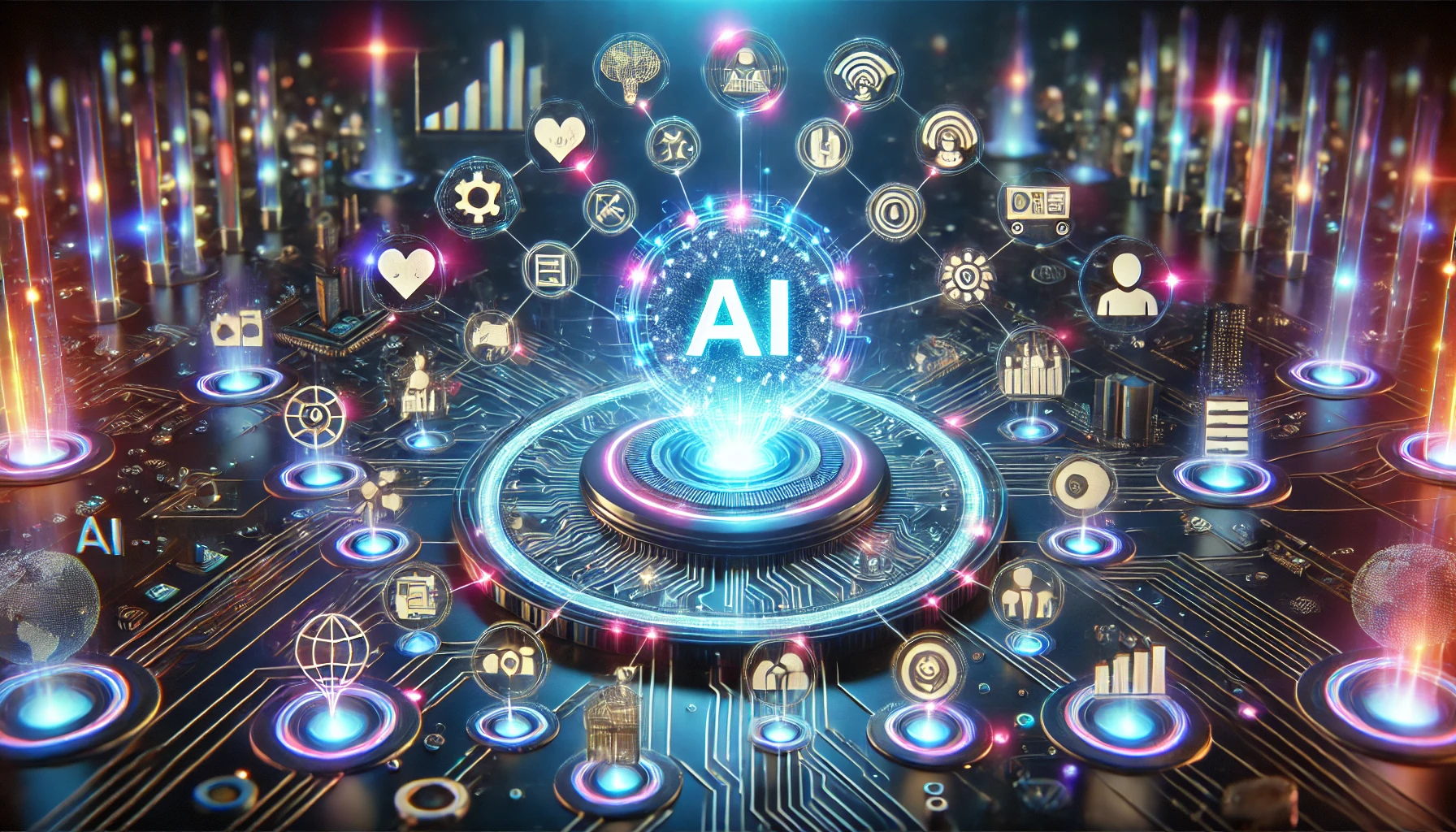
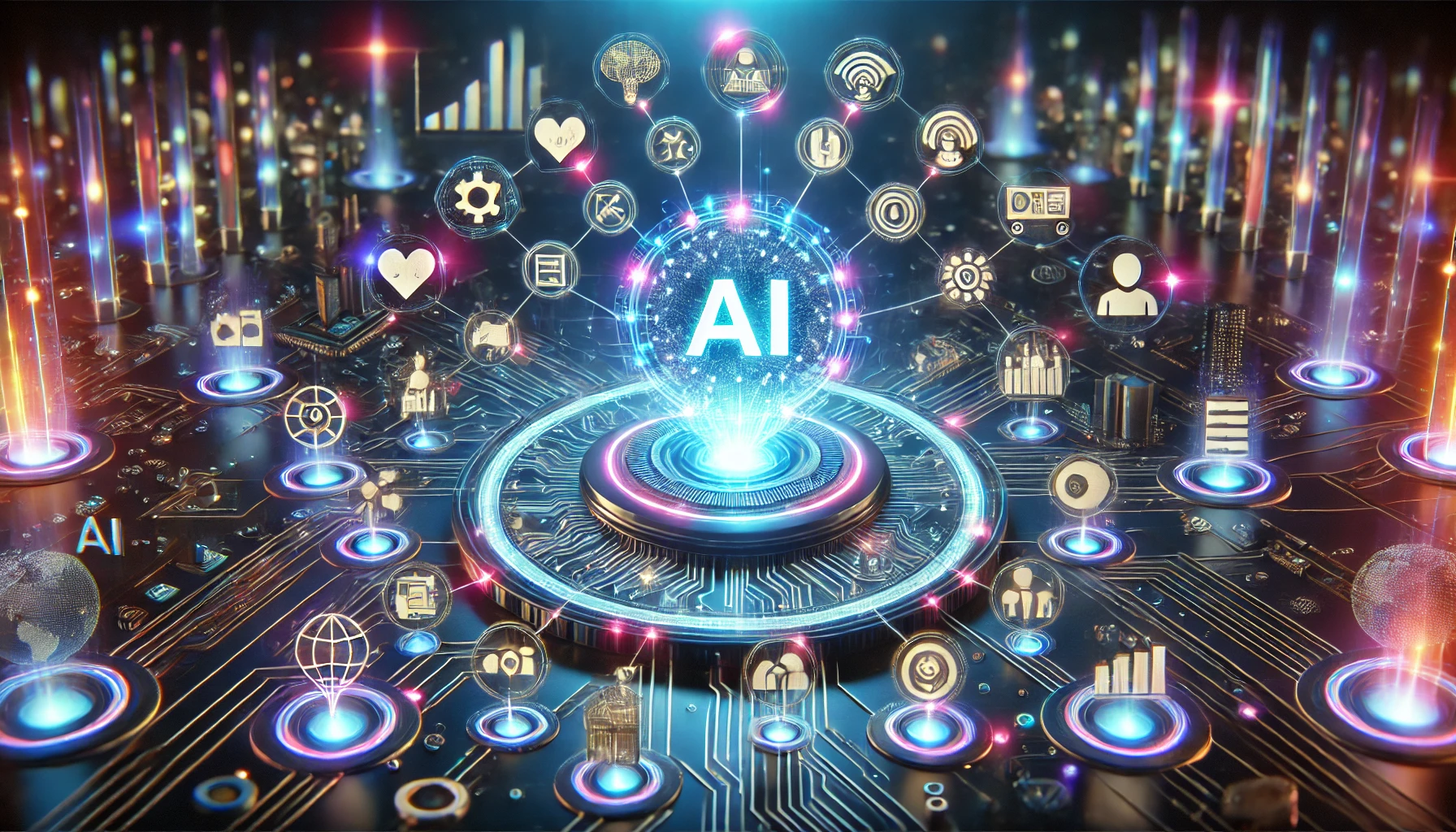
Introduction: The Quiet Revolution in Finance
Have you ever wondered how the stock market operates? It’s a complex ecosystem where billions of dollars change hands every second, driven by human decisions, algorithms, and global events. But now, a new player is entering the arena: artificial intelligence (AI). AI agents—autonomous systems powered by machine learning—are rapidly transforming how markets function, from high-frequency trading to investment strategies. This shift isn’t just a technological advancement; it’s a seismic change in the financial world that’s reshaping fortunes, rules, and opportunities.
The Rise of AI in Finance: A Game-Changer
From Human Decisions to Machine Logic
Traditionally, stock markets have been dominated by human traders, analysts, and fund managers. Their decisions were based on intuition, experience, and limited data. However, the advent of AI has introduced a new paradigm. AI agents can process vast amounts of data in milliseconds, identify patterns, and execute trades with precision far beyond human capability. This shift is not just about speed—it’s about redefining the very rules of the game.
Imagine a scenario where a single AI system can analyze thousands of financial reports, news articles, and market trends in seconds. It can predict stock movements with a level of accuracy that no human could match. This isn’t science fiction; it’s happening today. For example, hedge funds and institutional investors are already leveraging AI to outperform competitors and capture market inefficiencies.
High-Frequency Trading: The New Norm
One of the most visible impacts of AI in the stock market is high-frequency trading (HFT). HFT involves executing thousands of trades per second, often based on algorithmic signals. AI agents have taken this to an entirely new level. They can detect minute price discrepancies, arbitrage opportunities, and even predict market reactions to events before human traders can react.
Consider a typical day on the stock market. While human traders might take minutes to analyze data, AI systems can process and act on information in milliseconds. This creates a competitive edge for those using AI, as they can capitalize on market fluctuations before others even realize they exist. However, this speed also introduces risks, such as market volatility and the potential for algorithmic errors.
How AI Agents Are Reshaping the Stock Market
Automated Decision-Making: Beyond the Algorithm
AI agents are not just executing trades—they’re making strategic decisions that influence entire markets. These systems can analyze historical data, simulate scenarios, and adjust portfolios in real-time. For instance, an AI-driven portfolio manager might rebalance a client’s investments based on macroeconomic indicators, geopolitical events, or even social media sentiment.
This level of automation is changing how investors approach the market. Instead of relying on quarterly reports or news cycles, investors can now receive tailored insights and recommendations in real-time. However, this also raises questions about accountability. If an AI makes a poor decision, who is responsible? This is a critical issue that regulators and industry leaders are grappling with.
Democratizing Access to Financial Markets
Another groundbreaking impact of AI is its role in democratizing access to the stock market. Traditionally, investing required significant capital, expertise, and time. AI tools are now enabling everyday investors to participate in markets that were once exclusive to institutions. Robo-advisors, for example, use AI to provide low-cost, automated investment advice to retail investors.
Consider a young professional with a modest savings account. With AI-powered platforms, they can create a diversified portfolio, monitor market trends, and adjust their investments without needing a financial background. This shift is empowering individuals to take control of their financial futures, but it also introduces new challenges, such as information overload and the risk of algorithmic bias.
Real-World Examples: AI in Action
BlackRock and the Rise of Aladdin
BlackRock, one of the world’s largest asset managers, has been at the forefront of AI integration. Their Aladdin platform uses AI to analyze risk, optimize portfolios, and manage assets across global markets. By leveraging machine learning, BlackRock can predict market trends and adjust strategies in real-time, giving them a competitive edge.
Aladdin’s impact extends beyond BlackRock. It has set a new standard for how financial institutions approach risk management and portfolio optimization. Other companies are now adopting similar AI-driven strategies, leading to a broader transformation in the industry.
AI-Powered Trading Firms: The New Titans
Several AI-powered trading firms are disrupting traditional financial models. These firms use advanced algorithms to execute trades at unprecedented speeds, often outperforming human traders. For example, some hedge funds use AI to analyze social media sentiment and predict stock movements before traditional analysts can react.
One such example is Renaissance Technologies, a hedge fund that uses AI to generate consistent returns. Their Medallion Fund, which is only open to a select group of investors, has achieved annualized returns of over 66% since its inception. This success highlights the potential of AI to deliver exceptional results, but it also underscores the risks associated with over-reliance on algorithmic systems.
Challenges and Risks: The Dark Side of AI in Finance
Market Volatility and Systemic Risks
While AI offers numerous benefits, it also introduces new risks. The speed and scale of AI-driven trading can lead to extreme market volatility. For instance, in 2010, the “Flash Crash” saw the Dow Jones Industrial Average plummet by nearly 1,000 points in minutes, partly due to algorithmic trading. While AI systems are designed to be stable, their complexity makes them prone to errors or unintended consequences.
Additionally, the reliance on AI can create systemic risks. If multiple AI systems operate on similar algorithms, they might react in unison to market events, exacerbating volatility. This interconnectedness means that a single error or malfunction could trigger a chain reaction, potentially destabilizing entire markets.
Regulatory and Ethical Concerns
As AI becomes more integrated into financial markets, regulators are facing new challenges. How do you ensure transparency and accountability when decisions are made by machines? Who is responsible if an AI system makes a harmful error? These questions are at the forefront of global discussions.
For example, the European Union has proposed stringent regulations to govern AI in finance, emphasizing transparency, fairness, and accountability. Similarly, the U.S. Securities and Exchange Commission (SEC) is exploring ways to monitor AI-driven trading to prevent market manipulation and ensure investor protection. These efforts highlight the need for a balanced approach that harnesses AI’s potential while mitigating its risks.
The Future of AI in Finance: A New Frontier
AI and the Evolution of Financial Services
The future of AI in finance is likely to be defined by greater integration and innovation. As AI systems become more sophisticated, they will not only execute trades but also provide personalized financial advice, manage risks in real-time, and even predict macroeconomic trends. This evolution will require a shift in how financial institutions operate, from traditional models to AI-driven ecosystems.
Imagine a world where your financial advisor is an AI that continuously monitors your investments, adjusts your portfolio based on your risk tolerance, and even predicts your financial goals. This level of personalization is becoming a reality, but it also raises questions about privacy, data security, and the role of human oversight.
Preparing for the AI-Driven Financial Landscape
As AI continues to reshape the stock market, individuals and institutions must adapt to this new reality. For investors, this means staying informed about AI-driven strategies and understanding the implications of algorithmic trading. For financial institutions, it means investing in AI expertise, ensuring regulatory compliance, and fostering a culture of innovation.
Ultimately, the rise of AI in finance is not just about technology—it’s about redefining how we approach wealth, risk, and opportunity. By embracing AI responsibly, we can unlock new possibilities while safeguarding the integrity of financial markets.
Conclusion: Embracing the AI Revolution
The stock market is undergoing a profound transformation, driven by the rise of AI agents. From high-frequency trading to personalized financial advice, AI is reshaping every aspect of the financial landscape. While challenges and risks remain, the potential benefits are immense. As we navigate this new era, it’s essential to strike a balance between innovation and responsibility, ensuring that AI serves as a tool for progress rather than a source of instability.
So, what does this mean for you? Whether you’re an investor, a financial professional, or simply curious about the future of finance, the age of AI is here. By understanding its capabilities and limitations, you can position yourself to thrive in a market that is no longer just about human decisions—but about the power of machine intelligence.











Dodaj komentarz