
Why This Meeting Matters
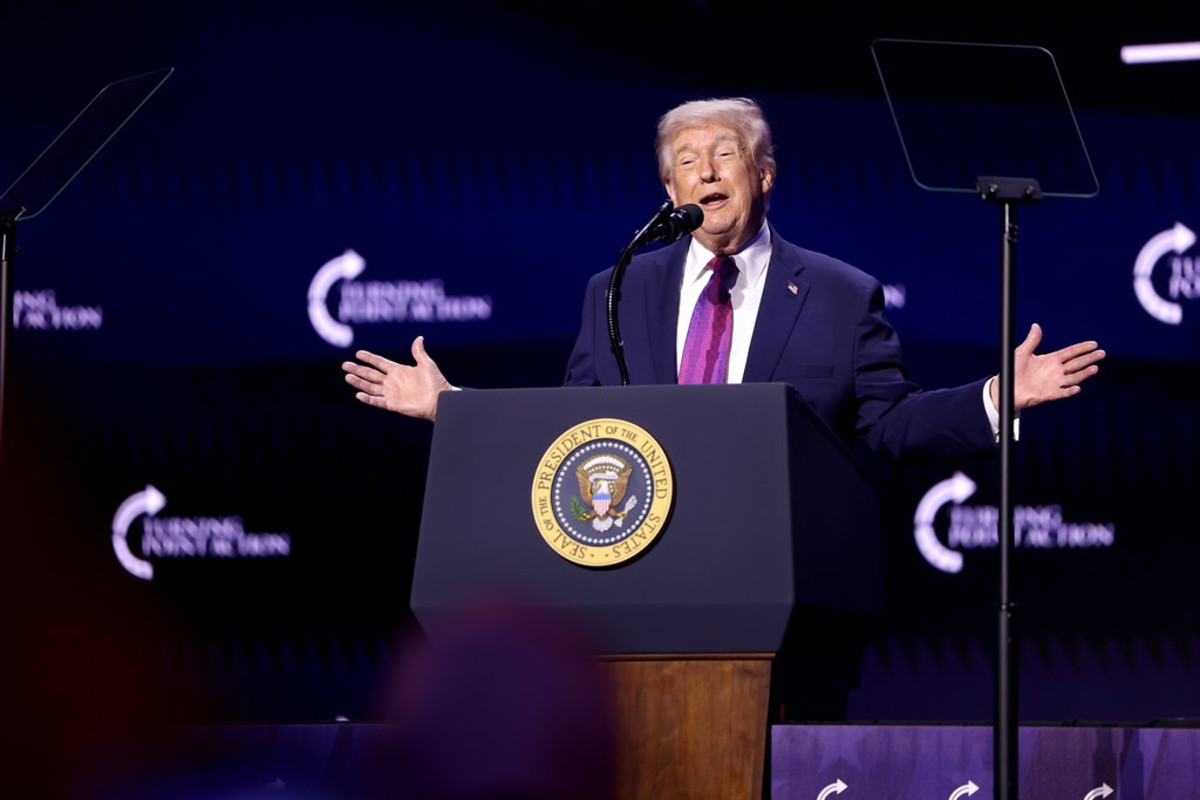
Imagine you’re watching a chess match where the board is the entire globe. The next move could shift the balance of power, influence markets, and reshape technology standards. That’s exactly what’s happening as former U.S. President Donald Trump and Chinese Premier Xi Jinping prepare to sit down in Washington, D.C. for a high‑stakes dialogue. Though Trump is no longer in office, his role as a key stakeholder in U.S. business circles and his influence on trade policy make his presence a game‑changer.
Trade: The Core of the Agenda
Trade has been the lifeblood of U.S.–China relations for decades, yet it has also been a source of friction. Tariffs, quotas, and accusations of unfair practices have turned what once was a mutually beneficial partnership into a battlefield. In this meeting, you’ll likely hear about:
- Reductions in tariff rates on goods ranging from steel to electronics.
- New agreements on intellectual property protection, a perennial thorn in the side of U.S. firms.
- Clarification of customs procedures to speed up the flow of goods.
Think about the ripple effect: a smoother trade relationship could lower costs for consumers, boost exports for U.S. manufacturers, and even stabilize global supply chains that have been disrupted by recent pandemics and geopolitical tensions.
AI and Digital Technology: A New Frontier
Beyond steel and semiconductors, the world is now racing toward a future dominated by artificial intelligence. Both leaders recognize that AI isn’t just a niche industry—it’s a cornerstone of national security, economic growth, and social change. The talks are expected to cover:
- Joint research initiatives that could accelerate breakthroughs in machine learning.
- Regulatory frameworks that balance innovation with privacy and safety.
- Standards for data sharing and cybersecurity that could set the tone for the rest of the world.
Picture a scenario where U.S. tech giants collaborate with Chinese universities on AI ethics, resulting in a shared code of conduct that prevents misuse while encouraging responsible development. That’s the kind of partnership that could redefine how the world views AI governance.
What Could Be Achieved?
When two powerful leaders come together, the possibilities are vast. Here are a few outcomes you might expect:
- Stabilized Markets: A clear trade path reduces uncertainty for investors.
- Enhanced Innovation: Shared research could lead to new AI applications in healthcare, agriculture, and transportation.
- Global Leadership: By setting standards, the U.S. and China could influence how other nations regulate technology.
- Diplomatic Leverage: A successful summit could open doors for cooperation on climate change, health security, and regional stability.
Historical Context and Current Tensions
It’s worth remembering that this isn’t the first time U.S. and Chinese leaders have met to tackle trade. The 2019 trade deal, for example, aimed to resolve long‑standing disputes but left many issues unresolved. Now, with new economic realities and a rapidly evolving tech landscape, the stakes are higher than ever.
Meanwhile, the U.S. has expressed concerns over China’s digital surveillance practices, while China argues that its approach protects national security. These disagreements underline why a face‑to‑face conversation is crucial.
Potential Global Impact
Think beyond the two countries. A breakthrough in trade and AI collaboration could:
- Set a precedent for other emerging economies to join in joint innovation efforts.
- Reduce the risk of technology “balkanization,” where different regions develop incompatible systems.
- Encourage a more balanced global economy where no single nation dominates the digital frontier.
In short, the outcome of this Washington summit could echo through every corner of the world, affecting everything from your smartphone to the global climate agenda.
Takeaway for You
Whether you’re a business owner, a student of international relations, or just a curious citizen, keep an eye on this meeting. The decisions made here will shape the future of trade, technology, and global cooperation for years to come.












Dodaj komentarz